CHARLESTON, WV — After decades of rumors, arguments and stories beginning with the phrase “my cousin knows a guy,” wildlife officials have reportedly admitted that coyotes were secretly transported into West Virginia in a tractor-trailer paid for by several large automobile insurance companies.
According to documents recently discovered beneath a stack of expired hunting regulations, the operation began shortly after midnight on a foggy Tuesday in 1987.
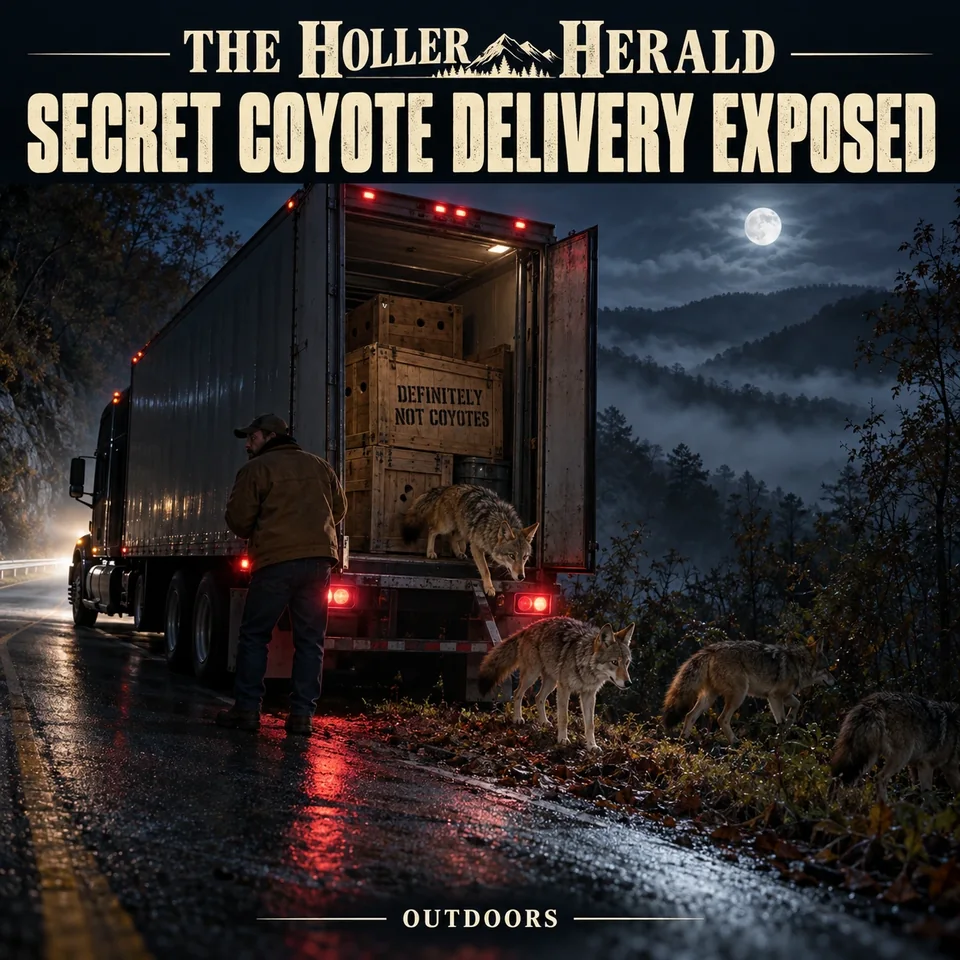
The semi reportedly entered West Virginia with its headlights turned off and carried approximately 600 coyotes packed into wooden crates labeled FRAGILE: DEFINITELY NOT COYOTES.
Officials said the truck stopped at several undisclosed locations throughout the state, where drivers opened the trailer doors and encouraged the animals to “go find somewhere with deer.”
“We believed introducing more coyotes would reduce the deer population and therefore reduce automobile claims,” explained fictional insurance executive Randall Claimsworth. “Unfortunately, the deer continued standing beside the road until a vehicle was six feet away before making any decisions.”
The insurance industry allegedly paid $43 for each coyote delivered, plus mileage, tolls and one damaged truck seat.
Several retired residents claim they witnessed the mysterious delivery but were ignored for years.
“I saw that truck parked beside Route 33 at two in the morning,” said Upshur County resident Marvin Tenney. “There were yellow eyes looking out through the trailer slats, and the driver kept telling me he was hauling nervous beagles.”
Tenney said he immediately reported the incident to three neighbors, a gas-station cashier and everyone he encountered for the next 39 years.
“Nobody believed me,” he said. “Well, Ronnie believed me, but Ronnie believes the government controls rain with cell towers.”
The documents indicate the original plan called for coyotes to remain in remote forested areas. Within six months, however, several had relocated behind Dollar General stores, near subdivisions and directly beside backyard chicken coops.
Officials acknowledged that the animals reproduced more successfully than expected.
“We released 600,” one fictional wildlife official said. “Based on what people are reporting on Facebook, there are now approximately 14 million, and every one of them weighs at least 90 pounds.”
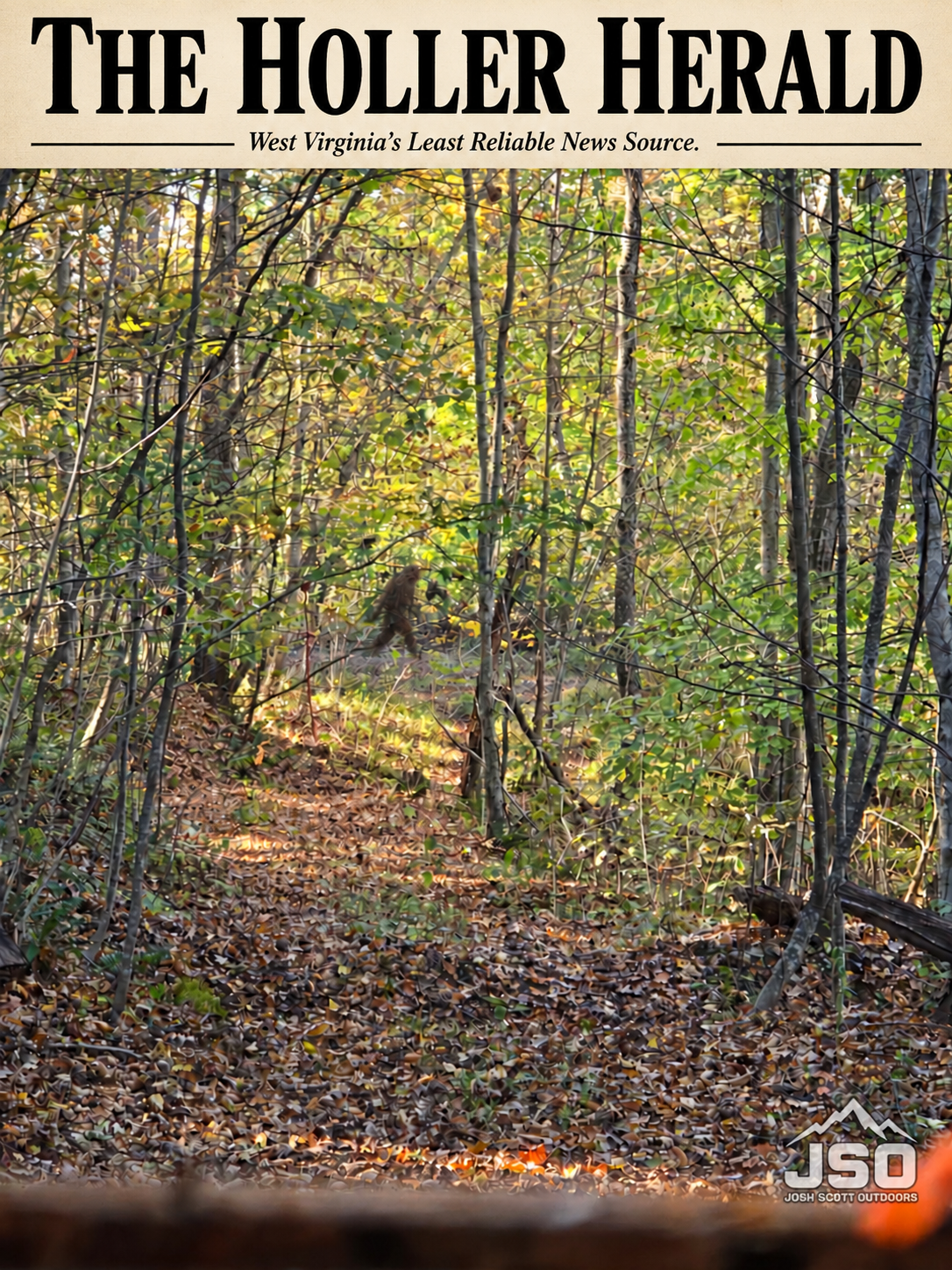
Dale Hatfield reviewed several blurry photographs provided by local residents and confirmed that at least four appeared to show coyotes.
Two others were German shepherds, one was a fox, and another was a plastic grocery bag caught in a fence.
Dale classified all eight as “concerning.”
Insurance companies denied that the program failed, noting that coyotes have successfully prevented several deer from filing collision claims themselves.
Meanwhile, the DNR urged residents not to panic and insisted there are no plans to introduce additional predators into West Virginia.
That statement did little to reassure Tenney.
“That’s exactly what they said before the mountain lions arrived in that bread truck,” he said.
Officials declined to comment on the bread truck.
The Holler Herald — West Virginia’s Least Reliable News Source
This article is satire. No evidence exists that wildlife officials or insurance companies secretly transported coyotes into West Virginia—although somebody’s uncle will almost certainly insist otherwise.